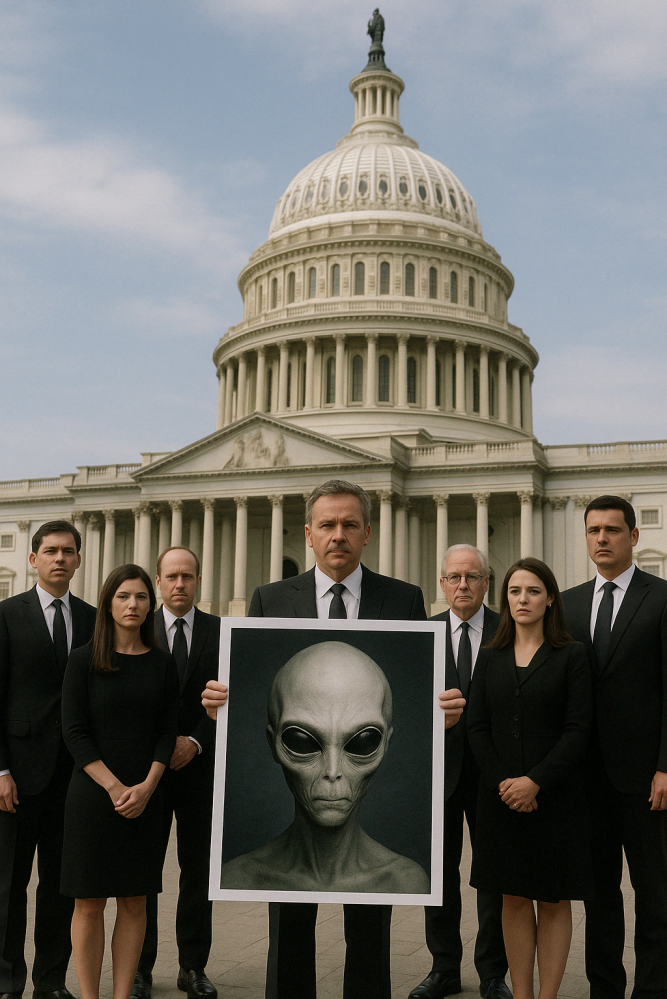
 When you hear the term “Unidentified Aerial Phenomena”, or UAPs for those in the know, it may instantly evoke images of mysterious flying objects darting around in the sky. UAPs, or what many might simply call UFOs, have been part of human fascination for ages. These are essentially any airborne things that people can’t squarely identify as man-made or known natural phenomena.
The history of UAPs in the U.S. rolls back to the late 1940s, and not to get all conspiracy theorist on you, but the timeline kicks off around the famous Roswell incident. It was a period when sci-fi was booming in pop culture, making folks even more captivated by the unknown hovering up above. In fact, the late 1940s and 50s were practically the era of flying saucers, when every mysterious blip in the sky seemed to hint at otherworldly visitors.
Why the sudden spike in sightings back then, you ask? Well, consider it a mix of post-war fascination with aviation, genuine curiosity, and a bit of Cold War paranoia. People were keen to explain and even embellish these encounters, as the wonders of space and flight started capturing collective imagination more vividly.
Interestingly, the U.S. government couldn’t just shrug these sightings off. Public intrigue morphed UAPs from mere stories into cultural phenomena. People wanted answers, and soon enough, UAPs weren’t just for sci-fi buffs anymore. Movies, TV shows, and even news stories picked up on the trend, ensuring UAPs remained firmly on the cultural radar. So, far from being a whimsical fad, UAP sightings have been woven into the tapestry of modern American storytelling, sparking debates and inspiring stories that capture both the imagination and skepticism of the public.
The Role of the US Government in UAP Investigations
When strange things start happening in the sky, you better believe the government gets curious. The U.S. government, never one to let a good mystery go unchecked, rolled out many initiatives to get to the bottom of these sightings.
One of the earliest and perhaps most famous efforts was Project Blue Book. This was basically the government’s way of saying, “Let’s get serious about figuring out what these flying objects are.” The project combed through thousands of UAP reports from the late 1940s through the late 1960s, with the ultimate aim of determining whether these phenomena posed a national security threat.
The cultural and political climate of the time very much shaped how these investigations were conducted. The Cold War had everyone on edge, and any unidentified object in the sky could potentially spell trouble. Government responses weren’t just about curiosity—they were driven by a mix of security concern and public pressure.
Several key personalities and agencies were instrumental in these efforts. From the likes of the Air Force getting involved to those within the CIA, numerous players took a turn at the wheel, analyzing data and crafting policies.
Thus, we’ve got a cocktail of military, intelligence, and political entities all playing a part in UAP research. It wasn’t just about cracking the mystery of potential extraterrestrial life—though who wouldn’t want to!—but also about making sure the skies stayed friendly.
Major Milestones in UAP Research
Tracking the unfolding of UAP research reveals some fascinating milestones along the way. The release of classified files has always felt like Christmas morning to both enthusiasts and researchers alike. These documents often hold the keys to understanding past sightings that were once just whispers in the night.
One of the most significant actions was the government’s decision to declassify various documents, offering a peek behind the curtain. This declassification moved the needle on public trust—showing that the government was serious (at least somewhat) about transparency.
But it’s not just about documents. Certain sightings stand out like bold exclamation points in the narrative of UAP history. Cases like Roswell have been immortalized in pop culture, but there are others, like recent Navy pilot footage, that keep the conversation alive and relevant. These incidents, often backed by credible witnesses, add weight to what would otherwise be bedtime stories to scare the neighbors.
Technological advancements have also turned the game upside down. Advancements in radar, imaging technologies, and even smartphone cameras add layers of evidence that can either keep skeptics skeptical or give believers more to chew on. Collecting data on UAPs has become as high-tech as the phenomena themselves, with science edging closer to demystifying them.
Recent Developments and Future Prospects
Fast forward to recent years, and UAPs are still stealing headlines. In 2020, the Pentagon’s UAP Task Force unveiled findings that sparked waves of reactions from the public, skeptics, and enthusiasts alike. Their report was like tossing fuel on the smoldering ember of public curiosity, letting everyone know UAPs are far from forgotten in dusty archives.
These developments have also caught the scientific community’s attention in new and profound ways. Researchers and scientists aren’t just watching from the sidelines anymore—they’re jumping into the mix, using empirical methods to analyze data and offer fresh insights. Public interest in UAPs has surged, demanding both transparent investigations and tangible answers.
But what does the future hold for UAP studies? As technology keeps pushing boundaries, expect more sophisticated tools to watch and analyze our skies. Drones, advanced satellites, and AI could provide clearer pictures of what’s up there, leaving fewer questions in the air.
However, with these advancements come challenges. One biggie is the need for international cooperation. As more countries get involved in the research, sharing data while juggling national security concerns will be crucial. The role of governments may shift but will undoubtedly persist as curiosity and the drive for answers continue to stir up interest.
This post was generated with the assistance of Artificial Intelligence (AI) tools.